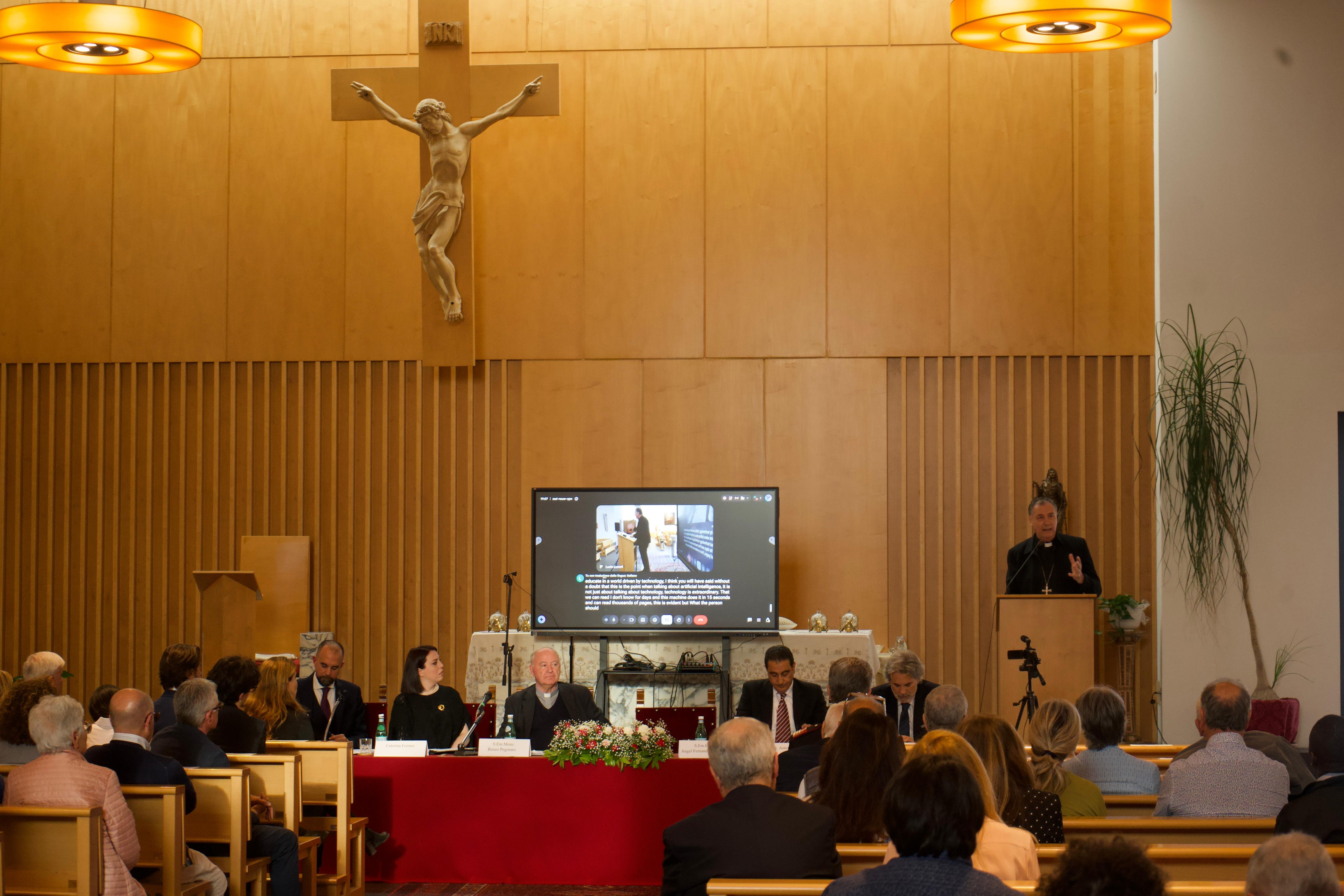
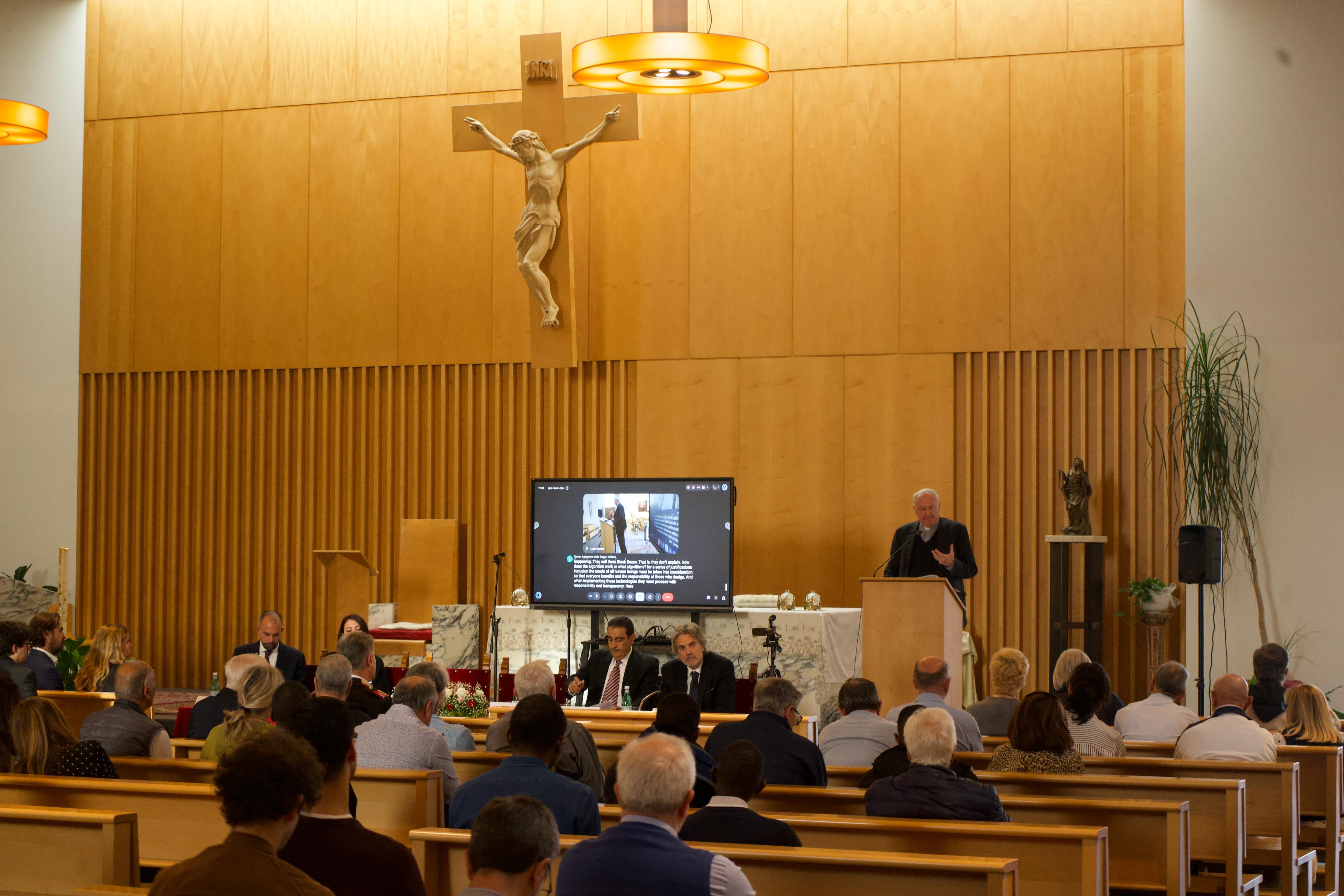
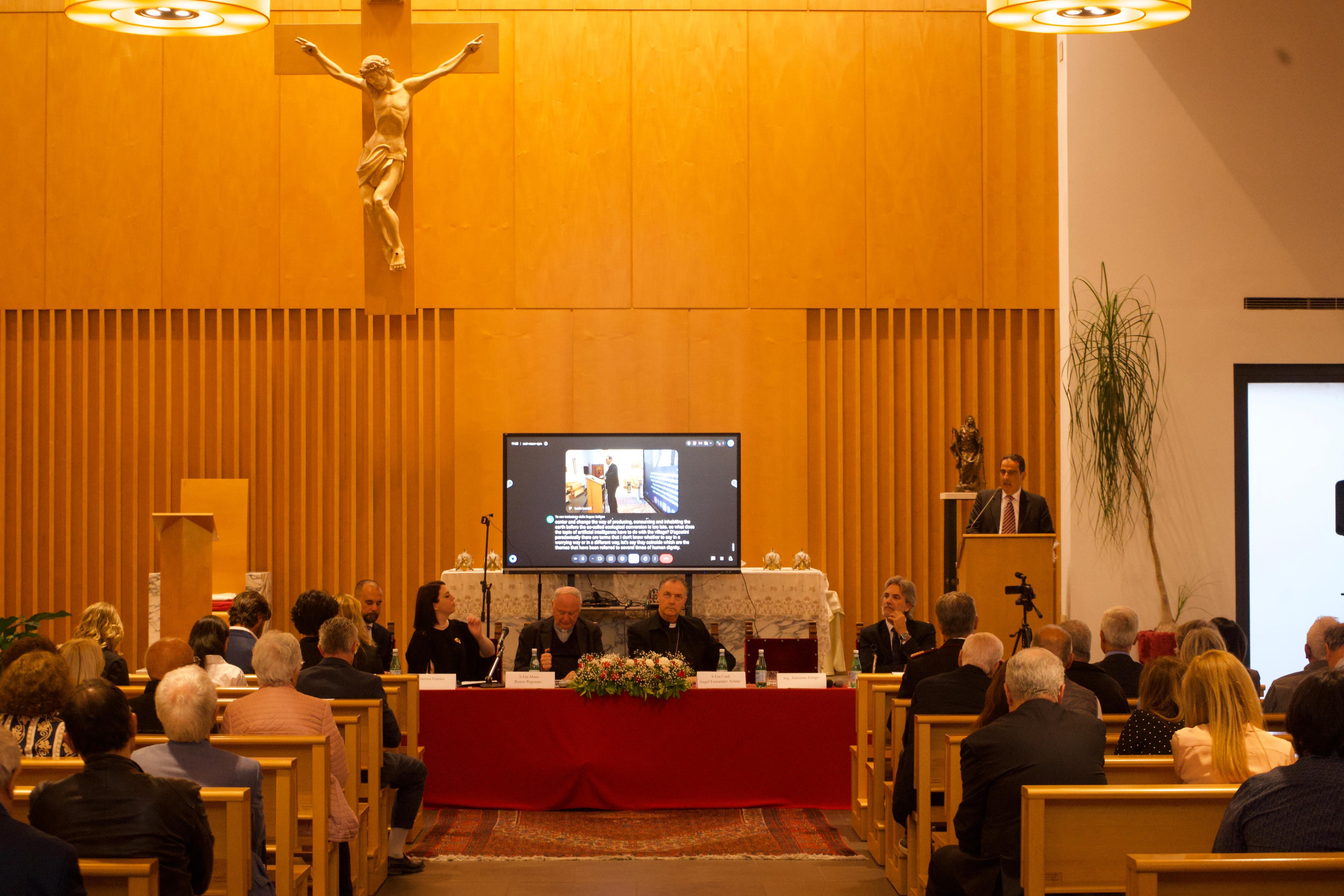
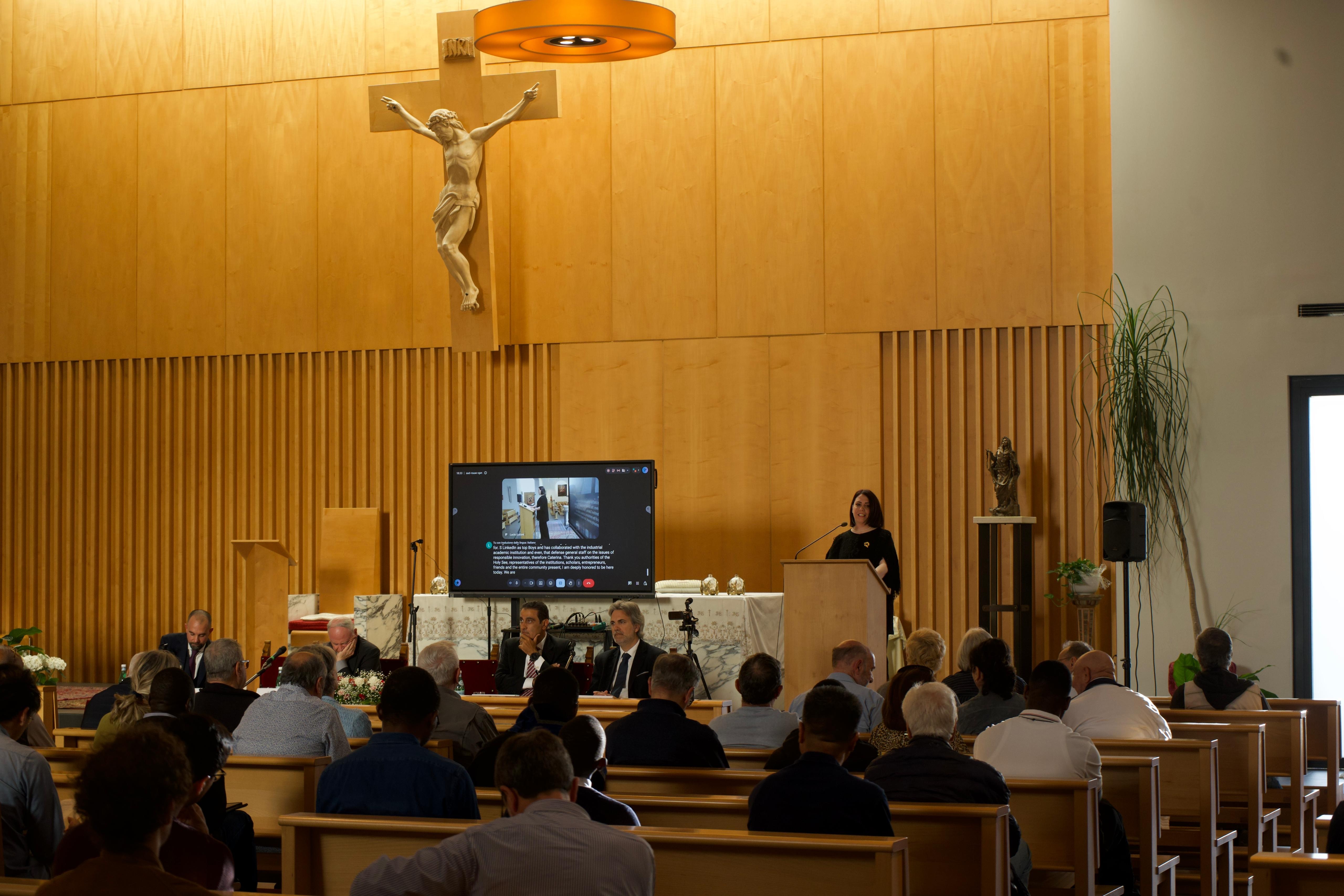
On 7 May 2026, the Parish of Santa Maria delle Grazie in Rome hosted the first gathering of what would later evolve into the Human Communities Platform for the Common Good in the Digital Age. At the time, few could have anticipated the significance of what was beginning to emerge.
What appeared to be a local parish initiative quickly became an unprecedented meeting point between local communities, prominent figures from the Holy See–Vatican City State, scientists, educators, technology leaders, and civil society around one of the defining questions of our age: how can artificial intelligence remain at the service of the human person?
The gathering took place only weeks before the publication of Pope Leo XIV's encyclical Magnifica Humanitas and, in retrospect, anticipated many of the themes that would soon become central to the Church's reflection on artificial intelligence, human dignity, education, responsibility, and technological stewardship.
Why This Gathering Matters
The significance of the May 7 gathering was not simply the quality of its speakers or the prestige of its participants. Its significance lay in the discovery of a new model.
For the first time, a local community became the place where global conversations about artificial intelligence, ethics, governance, education, and human dignity could be received, discussed, and translated into the lived experience of ordinary people. Technology may be global, but its consequences are always local.
Key Themes
Forming the person before designing the technology. The future of artificial intelligence depends not only on technical excellence but on the formation of human beings capable of using technology wisely.
Human dignity as the measure of innovation. Technological progress cannot be evaluated solely according to efficiency or economic performance; its true measure remains its capacity to serve the dignity of the human person and the common good.
Communities as active participants. Discussions about artificial intelligence do not belong exclusively to experts. Communities themselves are legitimate participants in shaping the ethical, cultural, and social frameworks that guide technological development.
A Beginning Rather Than a Conclusion
Looking back, the May 7 gathering appears less as a standalone event and more as the beginning of a broader journey. The questions raised that evening continued through the international gathering of May 24, through subsequent institutional dialogues, and through an expanding network of communities seeking to understand their role in shaping the future.
The conversation had begun. And it continues.