← Back to Events

Human Communities In Global Dialogue

Part 2 of 2 · Guarding Data, Guiding Intelligence

Human Communities In Global Dialogue

Protecting Data, Orienting Intelligence

Comitato di Quartiere Antamoro

May 24, 2026 · 4:00–6:00 PM (16:00–18:00) · Parish of Santa Maria delle Grazie, Rome

This event has taken place - a recap follows below.

On 24 May 2026, the Human Communities Platform entered its international phase.

What had begun only weeks earlier as a local initiative within the Parish of Santa Maria delle Grazie evolved into a truly global conversation bringing together Church leaders, technology innovators, Nobel Peace Prize leadership, entrepreneurs, scholars, pastoral communities, and participants from Europe, Africa, North America, and Latin America.

Yet the most remarkable aspect of the gathering was not the international profile of its speakers. It was the fact that these conversations took place within a living community.

Families attended together. Parents brought their children. Retirees sat alongside technology professionals. Students, workers, volunteers, parishioners, and local residents shared the same space with international experts and global leaders.

This was not a conference organized for specialists. It was an exercise in community awareness - a practical demonstration that the questions raised by artificial intelligence belong not only to governments, corporations, universities, or international organizations, but to ordinary people whose lives will increasingly be shaped by technological transformation.

From a Local Community to a Global Conversation

The international gathering demonstrated that meaningful dialogue about artificial intelligence can emerge not only within institutional environments but also within local communities. Participants were connected not simply by professional expertise, but by a shared concern for the future of human dignity, peace, education, freedom, and social responsibility in a rapidly changing technological environment.

The event brought together perspectives from multiple continents and cultural realities while remaining firmly rooted in the life of a Roman parish community. In doing so, it offered a first practical demonstration of a model that may be replicated across different territories, communities, and countries.

Technology may be global. But its consequences are always local. For this reason, communities themselves must become active participants in shaping the future.

Communities in Dialogue

One of the defining characteristics of the gathering was the presence of communities from different parts of the world, each bringing its own experiences, concerns, and aspirations.

Together, these voices illustrated a simple but powerful reality: artificial intelligence may be developed globally, but it will ultimately be lived locally.

Italy - The host community of Santa Maria delle Grazie demonstrated how local parish life can become a place for meaningful engagement with global technological challenges.

Hungary - Represented through the participation of Zoltan Papp and the Hungarian branch of Domus Communis Foundation, the gathering incorporated perspectives on sovereign AI, distributed governance, and values-based technological development.

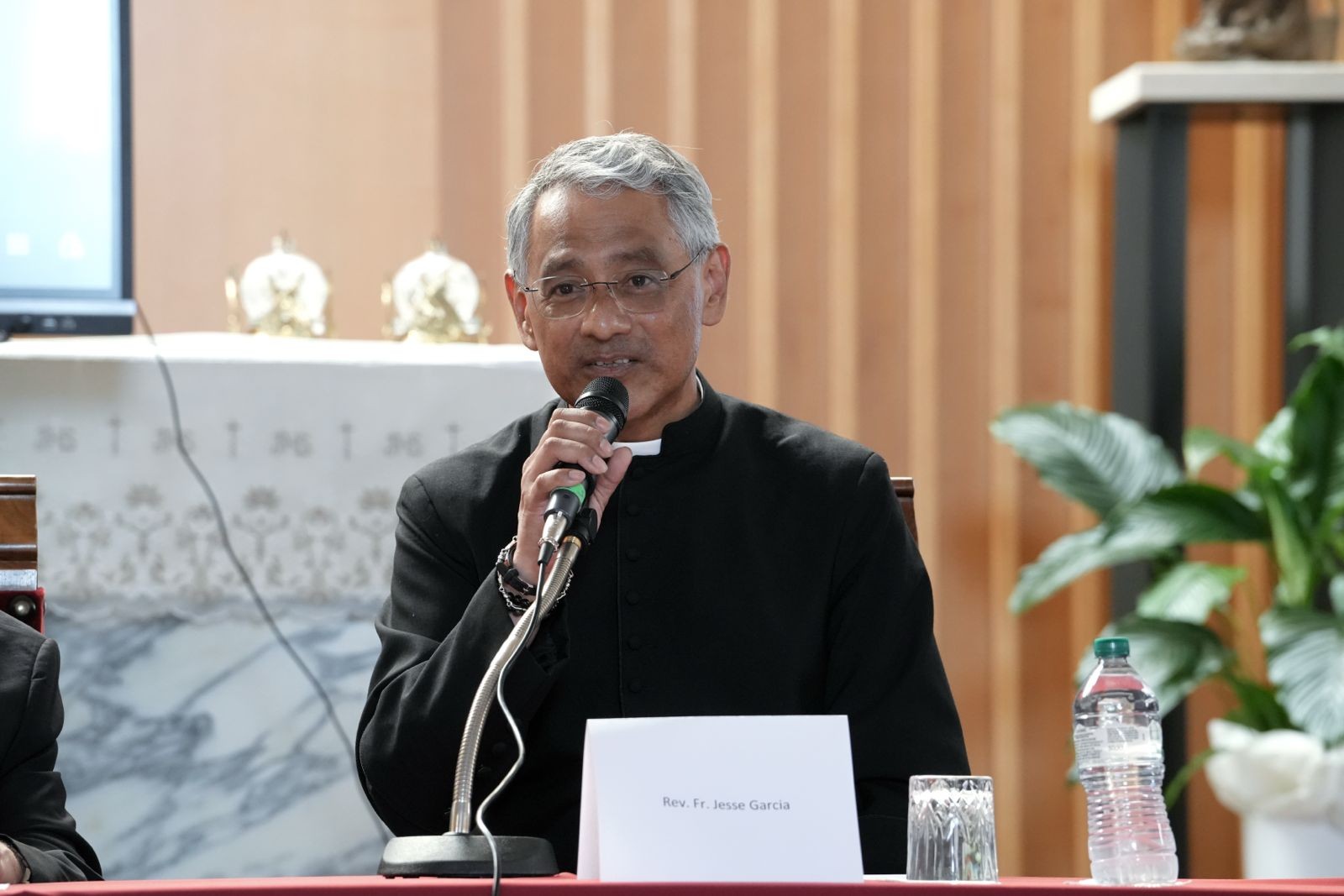
United States - Fr. Jesse Garcia brought the experience of parish life in Texas, emphasizing the importance of ensuring that technological transformation remains connected to human relationships and pastoral accompaniment.

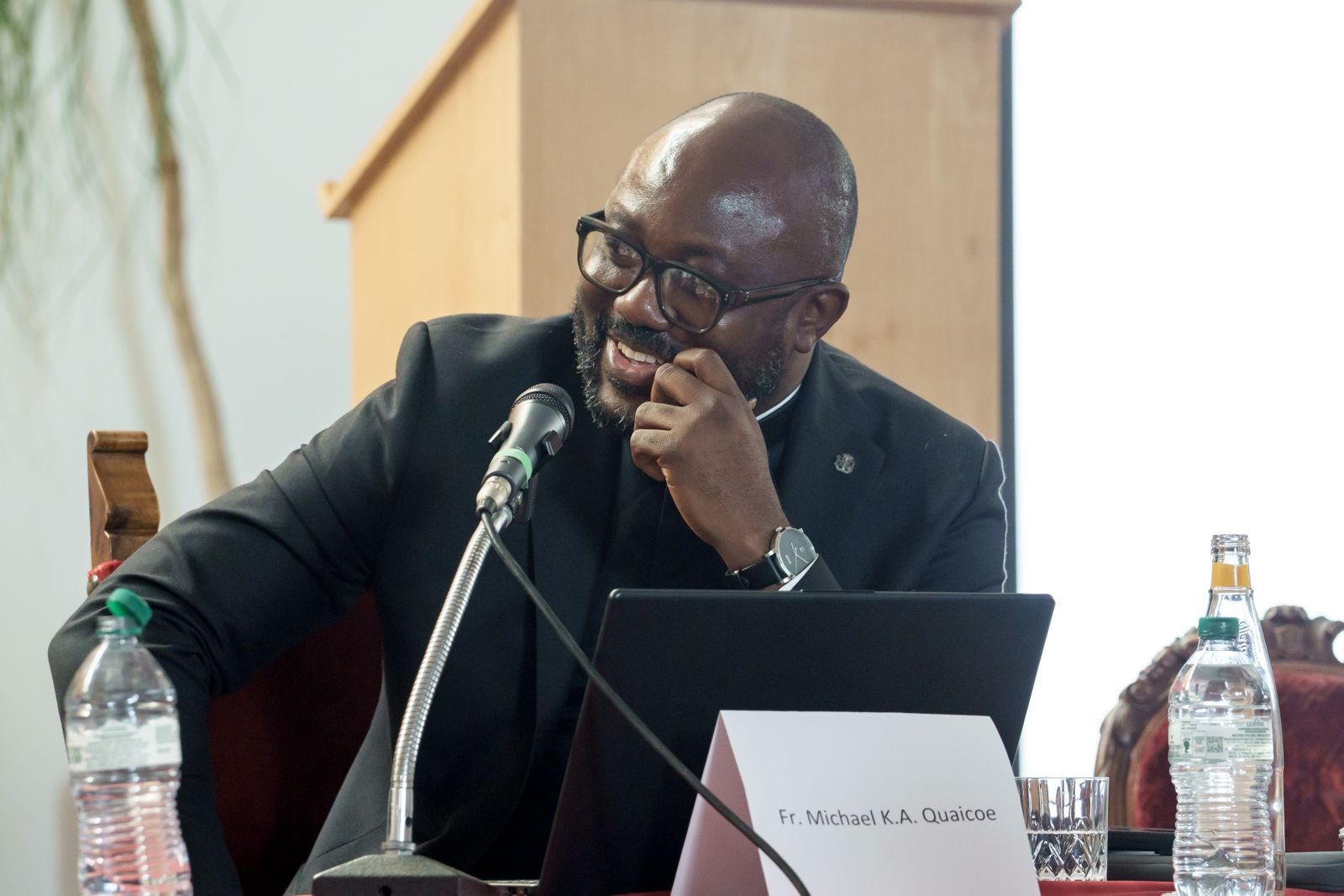
Ghana - Fr. Michael K. Quaicoe offered the perspective of emerging communities and the Global South, highlighting the importance of inclusion, participation, and equitable access within the digital future.

Peru - The gathering was honored by greetings conveyed on behalf of His Eminence Cardinal Carlos Castillo Mattasoglio, Archbishop of Lima, through Monsignor Quattrone, further emphasizing the international ecclesial dimension of the initiative.

A Providential Convergence

The gathering took place immediately before the publication of Pope Leo XIV's encyclical Magnifica Humanitas. Without claiming any direct relationship, it is nevertheless striking how many of the themes explored throughout the day - human dignity, education, participation, responsibility, community engagement, technological stewardship, and the centrality of the human person - would shortly thereafter emerge within the Holy Father's reflection.

In this sense, the event offered an early example of how local communities can become places where universal questions are received, discussed, and translated into lived experience.

Communities Becoming Protagonists

Perhaps the most significant outcome of the May 24 gathering was not a technological proposal, a policy recommendation, or an institutional declaration. It was the demonstration that communities themselves can become active participants in shaping the future of artificial intelligence.

What emerged in Rome was not simply another conference. It was the beginning of an international network of human communities committed to ensuring that technological progress remains at the service of the human person, human freedom, and the common good.

The future of artificial intelligence will not be shaped only in laboratories, boardrooms, universities, or government offices. It will also be shaped in communities. And that journey has only just begun.

Featured Contributions

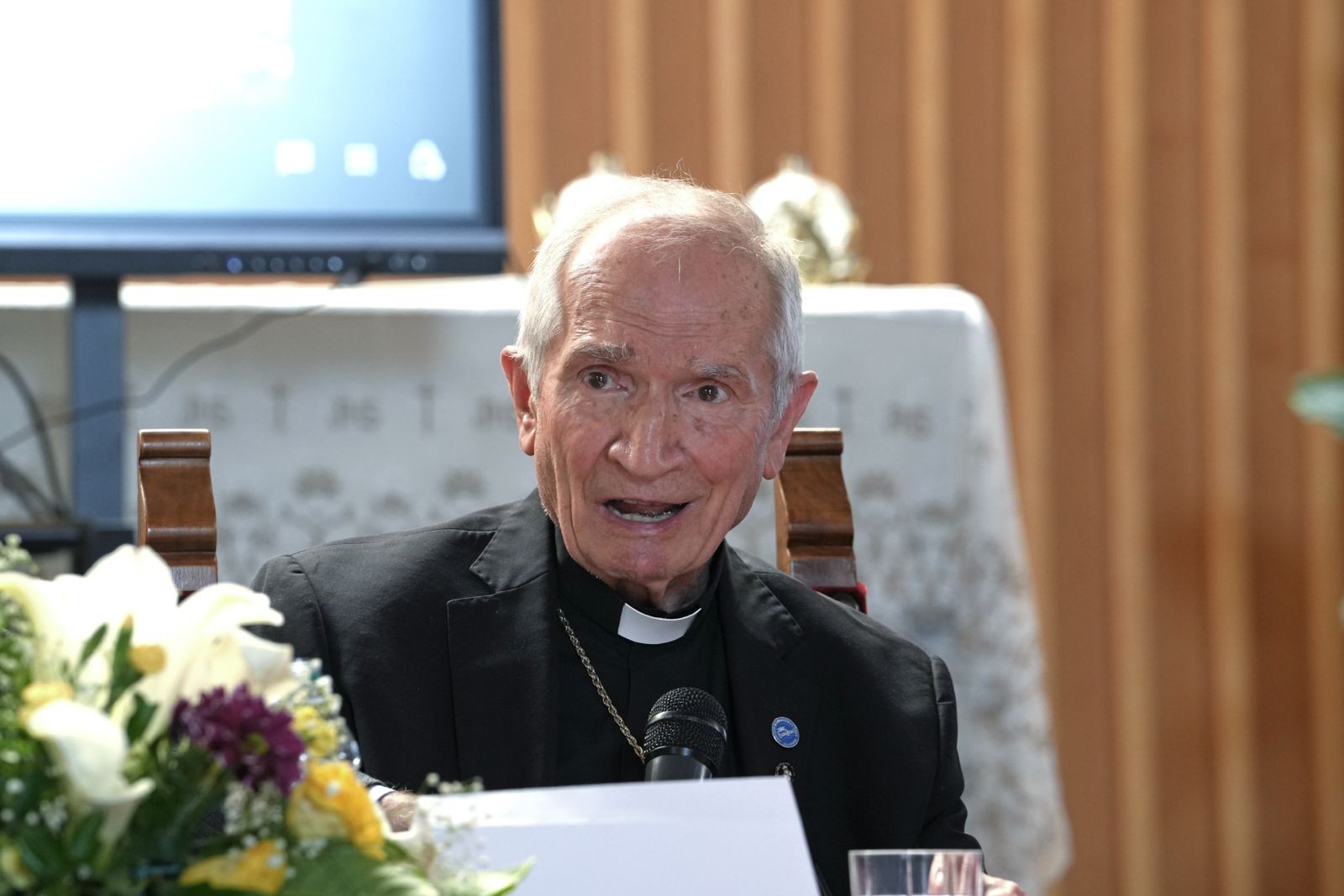
His Eminence Cardinal Silvano Maria Tomasi

His Eminence Cardinal Silvano Maria Tomasi

Peace, Human Dignity, and Artificial Intelligence

Cardinal Tomasi situated artificial intelligence within the broader horizon of humanity's existential challenges, drawing upon decades of experience in diplomacy, peacebuilding, and nuclear disarmament. His intervention highlighted the parallels between previous technological revolutions and today's AI transformation, emphasizing the need for ethical responsibility, prudence, and human-centered governance.

Greetings from Peru - His Eminence Cardinal Carlos Castillo Mattasoglio

A Bond Between Communities Across Continents

The gathering was honored by greetings conveyed through Don Demetrio Francesco Quattrone on behalf of His Eminence Cardinal Carlos Castillo Mattasoglio, Archbishop of Lima. This gesture further emphasized the international ecclesial dimension of the initiative and the growing network of relationships connecting communities across Europe, Africa, North America, and Latin America.

Rev. Fr. Jesse Garcia

Community Life and Technological Transformation

Drawing from his pastoral experience in Texas, Fr. Garcia reflected on how communities can accompany people through periods of rapid technological change. He emphasized that human relationships, trust, and local participation remain essential foundations for any healthy digital future.

Rev. Fr. Michael K. Quaicoe

Inclusion, Development, and Human Flourishing

Fr. Michael brought the perspective of African communities and the Global South, highlighting the need to ensure that technological development serves all peoples rather than creating new forms of exclusion or dependency.

Dr. Alessio Pecorario

Dr. Alessio Pecorario

Human Communities for the Common Good in the Digital Age

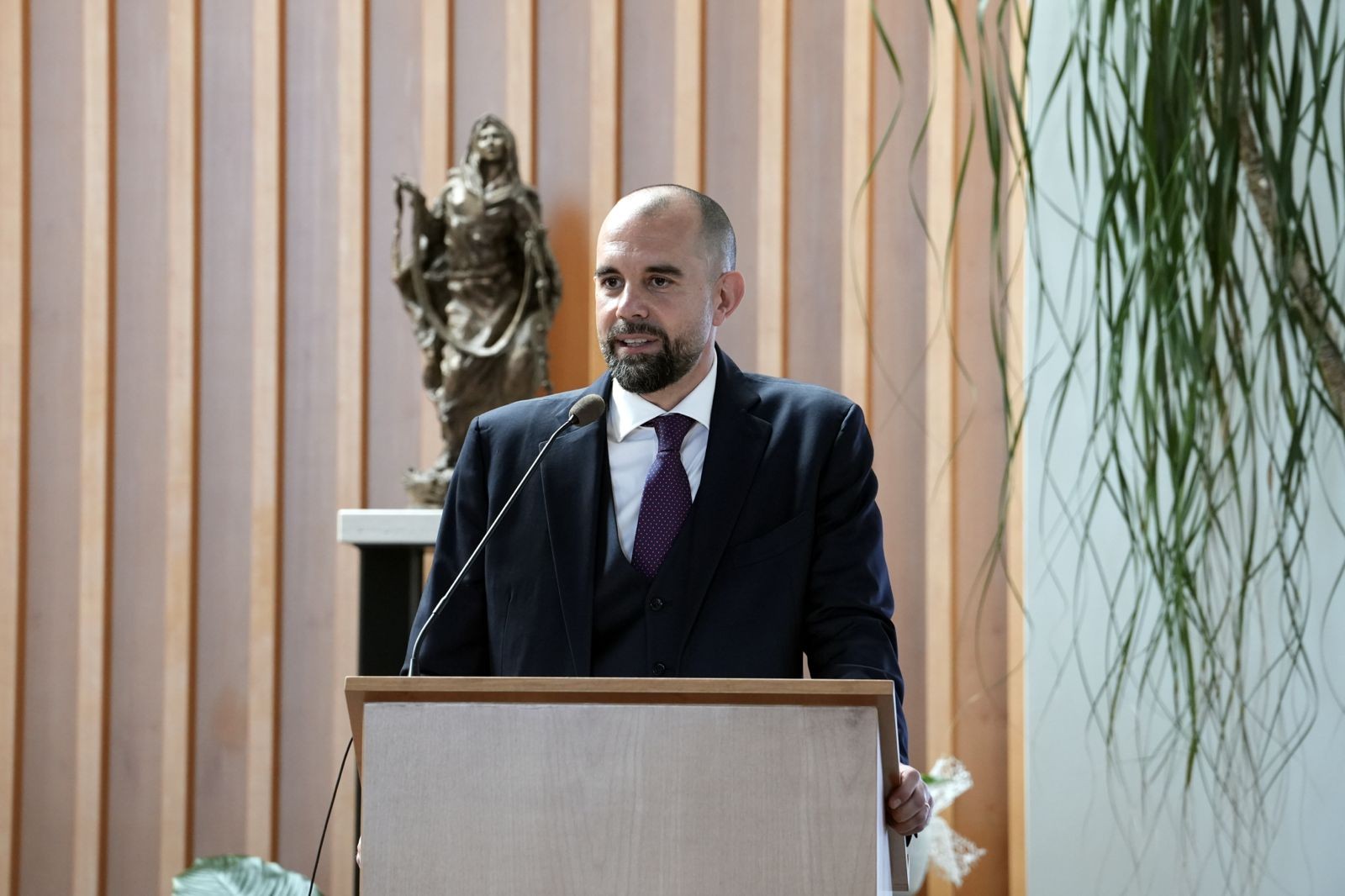
Opening the international gathering, Alessio Pecorario framed the event as the continuation and expansion of the process initiated on 7 May, connecting local communities, international partners, Church leaders, and technology innovators within a common reflection on artificial intelligence and human dignity. He emphasized that the emergence of artificial intelligence is not fundamentally a technological challenge, but an anthropological one, requiring communities themselves to become active participants in shaping the future rather than passive recipients of change.

Dr. James E. Muller

Artificial Intelligence, Nuclear Systems, and Human Responsibility

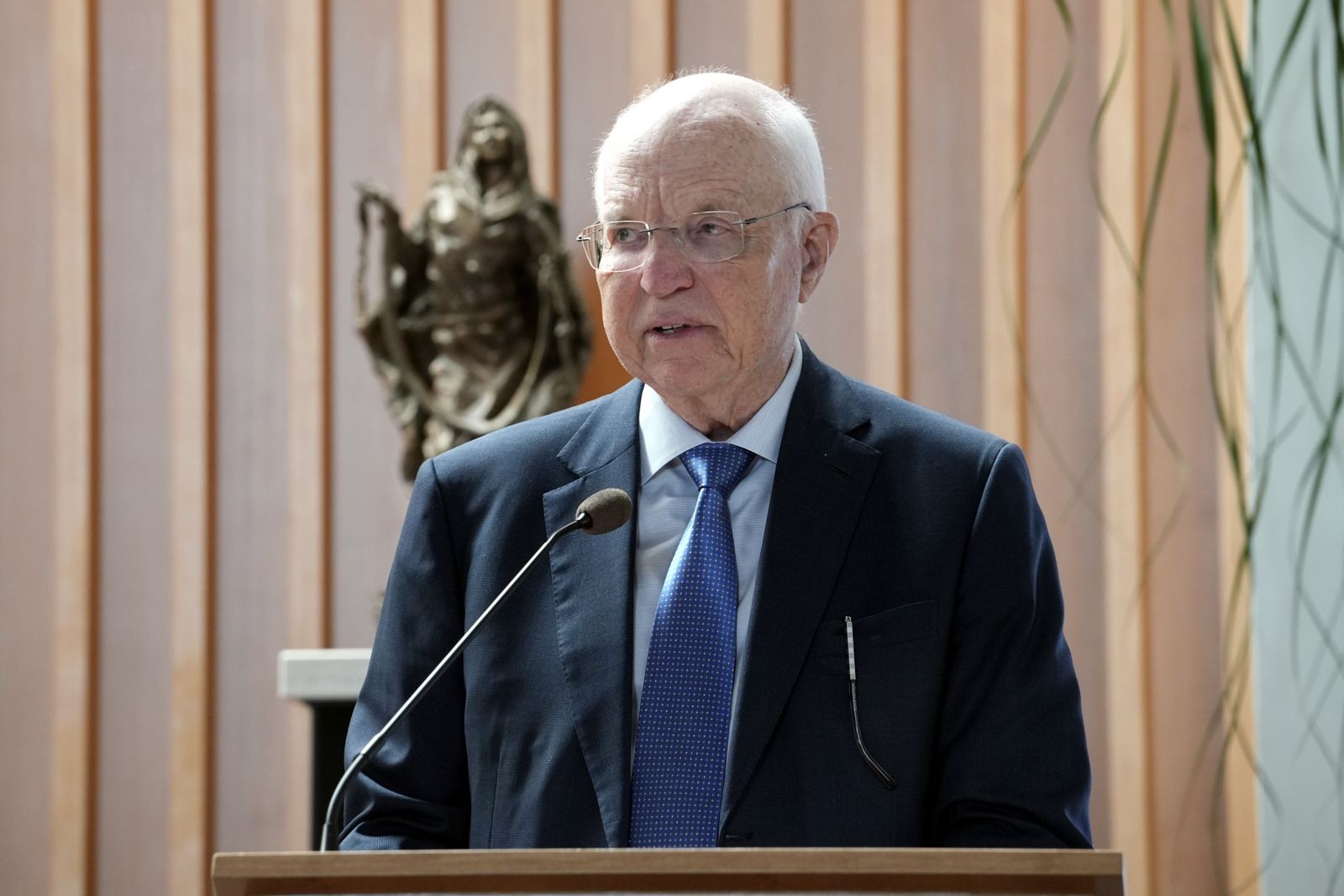
Dr. Muller explored the growing intersection between artificial intelligence and strategic security systems, warning against the dangers of compressing human decision-making within increasingly automated environments. His intervention highlighted the importance of preserving human responsibility in situations where technological systems may influence decisions with profound consequences.

Zoltan Papp

Zoltan Papp

Data Stewardship, Human Agency, and Values-Based Technology

Zoltan Papp presented the Foundation's vision for technologies designed to support participation, responsibility, transparency, and human-centered governance. His intervention focused on how communities and individuals can remain active participants in shaping their digital futures rather than passive recipients of technological decisions made elsewhere.

María Amparo Alonso Escobar

Ethical Artificial Intelligence for Human Development

Through a recorded message, María Amparo Alonso Escobar emphasized the importance of designing AI systems that actively promote human flourishing, education, and institutional accountability. Drawing on decades of international experience in governance, diplomacy, and social development, she argued that artificial intelligence must be intentionally oriented toward human development and the protection of human dignity.

William H. Priest

Capital, Innovation, and Long-Term Responsibility

William Priest explored the relationship between technological innovation, economic systems, and social stability, arguing that markets and capital allocation ultimately require ethical frameworks if they are to contribute positively to human flourishing. Drawing upon decades of leadership in global finance and investment, he emphasized the importance of aligning technological innovation with long-term human well-being.

Richard Sempier

Resilience, Preparedness, and Community Leadership

Richard Sempier brought to the gathering his extensive experience in resilience, preparedness, and community-based approaches to complex societal challenges. His contribution highlighted the importance of building communities capable not only of adapting to technological change but of understanding it, engaging with it, and responding to it responsibly.

H.E. Mona Quartey

International Cooperation and Africa's Digital Future

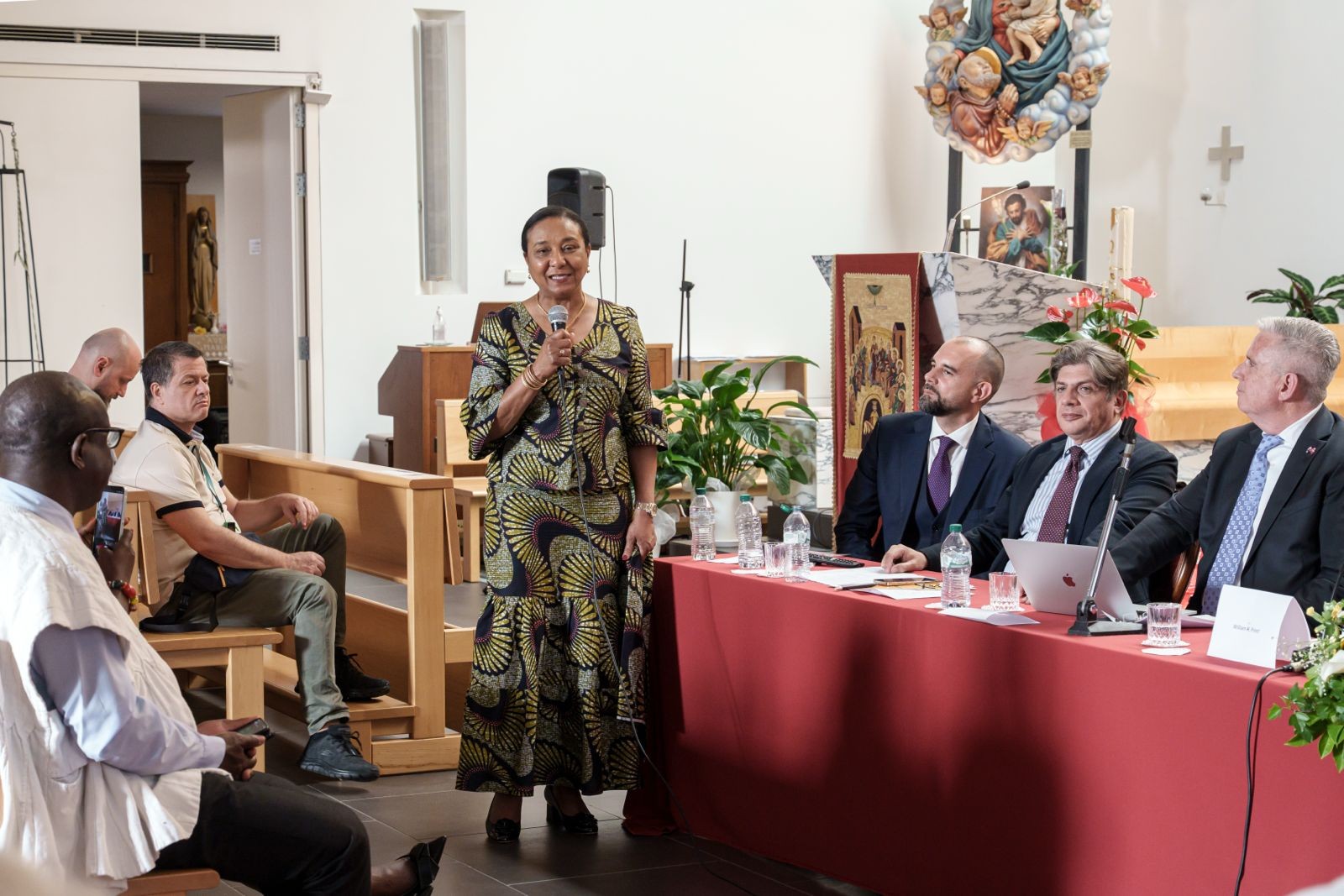
The presence of Her Excellency Mona Quartey, Ambassador of the Republic of Ghana to Italy, underscored the growing international relevance of the conversations taking place within the Human Communities Platform. Her participation highlighted the importance of ensuring that emerging discussions on artificial intelligence, human dignity, and human development remain inclusive of African perspectives and priorities.